Ebenezer Baptist Church

Ebenezer Baptist Church

OCCOQUAN, Va. — The Ebenezer Baptist Church in Occoquan was founded in 1883 by Rev. Lewis Henry Bailey, who was born into slavery, separated from his family, sold to Texas, and after emancipation walked back to Northern Virginia to reunite with them.

The church's story is one of faith, perseverance, and community. Now recognized with a Town of Occoquan historical marker and as part of the Prince William County African American History Trail, Ebenezer continues to honor a remarkable legacy that has endured for more than 140 years.

📸: absolonkent.net/photogallery/index.php?/category/737


Stratford Junior High School (Dorothy Hamm Middle School)

Stratford Junior High School (Dorothy Hamm Middle School)

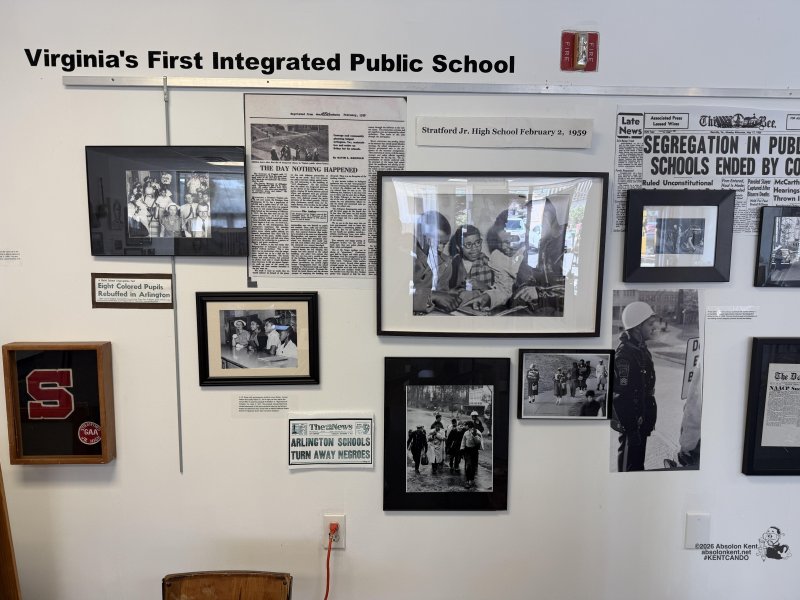
ARLINGTON, Va. — On February 2, 1959, Stratford Junior High School became the first public school in Virginia to desegregate, marking a pivotal moment in the Commonwealth's Civil Rights history and signaling the collapse of the state's policy of Massive Resistance.
Constructed in 1950, Stratford became the focus of a legal and political battle that followed the U.S. Supreme Court's 1954 decision in Brown v. Board of Education. After years of litigation led by the NAACP and local activist Dorothy Hamm, a federal court ordered Arlington County to admit four Black students—Ronald Deskins, Michael Jones, Lance Newman, and Gloria Thompson—to the previously all-white school.

Despite threats from segregationist organizations and the presence of approximately 100 police officers on the morning of February 2, 1959, the four students entered the school peacefully. Principal Claude Richmond welcomed them, classes proceeded without violence, and the day became known by the Anti-Defamation League as "The Day Nothing Happened." That quiet success marked the beginning of the end for Massive Resistance across Virginia.

Today, the campus is home to Dorothy Hamm Middle School, renamed in 2019 to honor the Arlington activist whose determination helped make school desegregation a reality. The Stratford Commemorative Trail on the school's campus was dedicated in 2021 and preserves the story of the four students whose courage changed Virginia history.

📸: absolonkent.net/photogallery/index.php?/category/722


Lomax AME Zion Church, Cemetery & Historical Marker

Lomax AME Zion Church, Cemetery & Historical Marker

ARLINGTON, Va. — Lomax AME Zion Church preserves one of the most significant chapters in Arlington County's African American history. Founded by formerly enslaved residents of Freedman's Village, the congregation traces its origins to 1863, making it the oldest extant African American church in Arlington County.

The congregation began as Wesley Zion Church, later known as Little Zion Church, within Freedman's Village on the former Arlington estate of Robert E. Lee. As the federal government prepared to close the settlement, members temporarily worshipped in the home of Levi and Sarah Ann Jones before purchasing a one-acre site in Green Valley in 1874, where the church has remained for more than 150 years. The congregation later adopted the name Lomax AME Zion Church in honor of Bishop T.H. Lomax, an influential leader of the AME Zion Church.

The present Gothic Revival sanctuary, completed after construction began in 1922*, is recognized as an Arlington County Landmark and is listed on the Virginia Landmarks Register as the county's oldest surviving African American church building. Its adjoining cemetery preserves the stories of generations of Green Valley residents, including formerly enslaved men and women whose lives helped shape the community.

Lomax AME Zion Church also played an important role in the modern Civil Rights Movement. In August 1963, under the leadership of the Rev. Arthur W. Walls, the congregation welcomed activists traveling to the March on Washington. On the eve of the historic march, Martin Luther King Jr and Ralph Abernathy addressed supporters in the church parking lot before traveling to the nation's capital, where Dr. King delivered his iconic "I Have a Dream" speech the following day.

Today, Lomax AME Zion Church continues to stand as both a place of worship and a lasting symbol of Green Valley's resilience, preserving a legacy that spans from emancipation through the Civil Rights Movement and into the present day.

📸: absolonkent.net/photogallery/index.php?/category/729


Black Heritage Museum of Virginia

Black Heritage Museum of Virginia
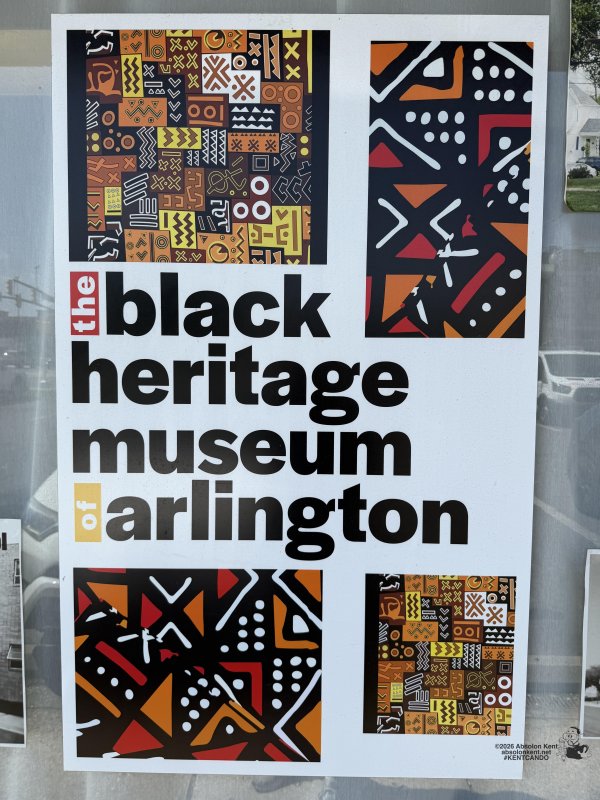
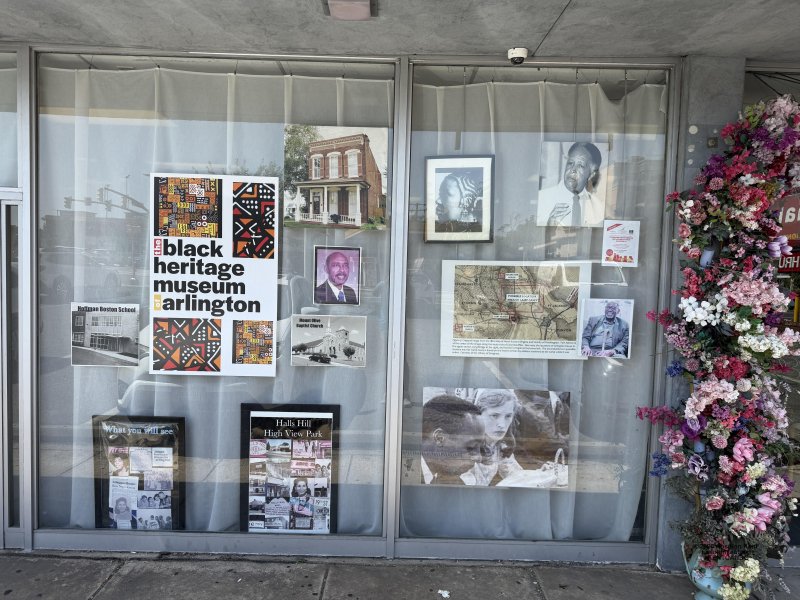
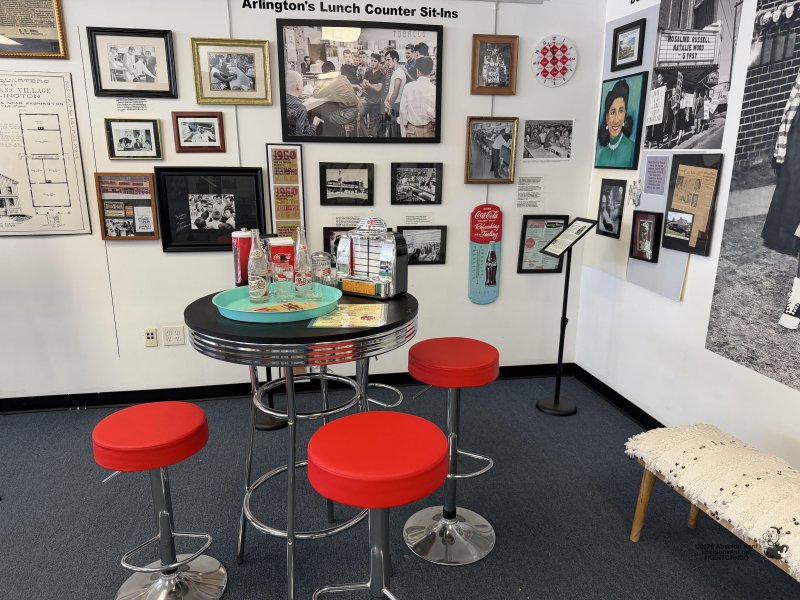
ARLINGTON, Va. — The Black Heritage Museum of Arlington does an outstanding job of telling the stories of Arlington's African American communities and notable residents through photographs, artifacts, documents, and thoughtfully curated exhibits. You can learn about the people, neighborhoods, schools, churches, and local leaders who helped shape Arlington's history.

Whether your interest is in local history or you simply enjoy discovering places with meaningful stories, you will find that this is a museum that offers a deeper appreciation for Arlington's past and the people whose contributions continue to inspire today.

📸: absolonkent.net/photogallery/index.php?/category/717


Mt. Calvary Baptist Church — Oldest Black Church in Fairfax City

Mt. Calvary Baptist Church — Oldest Black Church in Fairfax City

FAIRFAX CITY, Va. — Founded on May 15, 1870, Mt. Calvary Baptist Church stands as one of Fairfax County's most enduring symbols of faith, resilience, and community.

Established by formerly enslaved men and women who settled near the Fairfax County Courthouse after the Civil War, their very first act of freedom was not to build homes for themselves—but to build a house of worship. That powerful commitment became the foundation of a congregation that has faithfully served the community for more than 155 years and during the era of segregation and Jim Crow, Mt. Calvary was much more than a church. It became a vital center for Black civic leadership and the fight for civil rights in Fairfax County.

Originally located near today's Route 123, the congregation moved to its present home on Chain Bridge Road in 1957. A Virginia historical marker nearby commemorates the church's early baptismal site on Accotink Creek, where members were baptized through the 1930s.

📸: absolonkent.net/photogallery/index.php?/category/714