 

Williamstown — Lost African-American Community

Williamstown — Lost African-American Community

FALLS CHURCH, Va. — Before the modern shopping centers and office buildings of Merrifield stood a thriving African-American community known as Williamstown. Established after the Civil War by formerly enslaved people, free Black Virginians, and their descendants along Gallows Road near present-day Merrifield and Dunn Loring, this close-knit, self-sufficient community thrived despite the barriers of segregation and discrimination.

As Black landownership expanded in Fairfax County, families built farms, homes, churches, and charitable organizations, creating a vibrant and resilient community. Williamstown, together with the neighboring communities of Merrifield (then known as Mills Crossing) and The Pines, became an important center of African-American life in Northern Virginia.

By the 1980s, however, decades of eminent domain, suburban development, and commercial expansion—including what is now the Mosaic District and the Merrifield commercial corridor—had erased nearly all physical traces of Williamstown.

Today, the community lives on through oral histories, archival records, and the work of descendants and historians who continue to preserve its story.

📸: absolonkent.net/photogallery/index.php?/category/709


First Baptist Church of Merrifield

First Baptist Church of Merrifield

FALLS CHURCH, Va. — Founded in 1872, First Baptist Church of Merrifield began with worshipers gathering in a simple log cabin before relying on itinerant preachers, tent revivals, and members' homes for nearly 25 years.

In 1891, the congregation purchased land on Ransell Road for just $5. Although a storm destroyed their first church building before it was completed, the community rebuilt together. The church also served residents of The Pines, a nearby post-Civil War Black community.

More than 150 years later, First Baptist Church of Merrifield continues to worship on the same site, preserving a legacy of faith, perseverance, and community.

📸: absolonkent.net/photogallery/index.php?/category/709


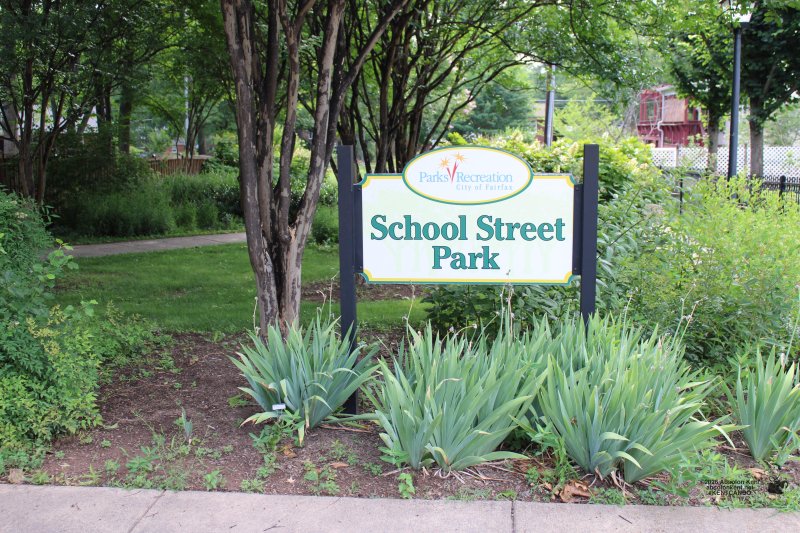
School Street Park

School Street Park
School Street Park
School Street Park
School Street Park

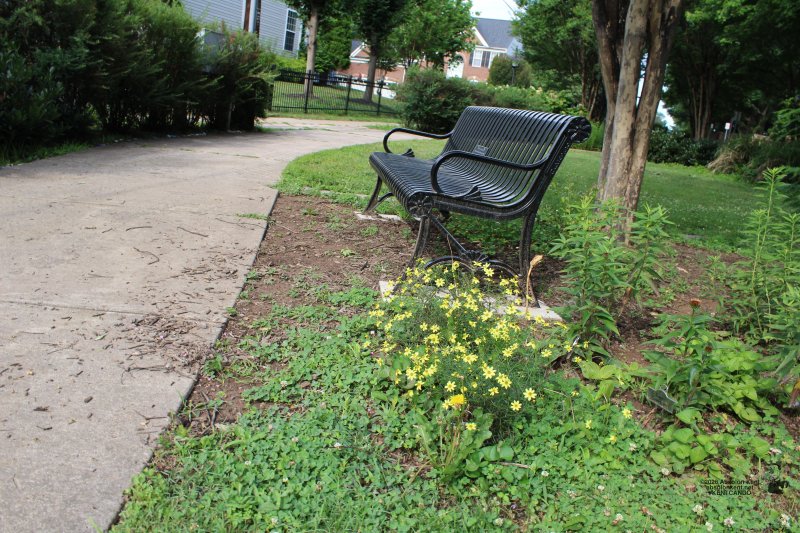
FAIRFAX, Va. — Tucked away in the heart of Fairfax City, School Street Park is a small community gathering space that celebrates local history, creativity, and neighborhood spirit.

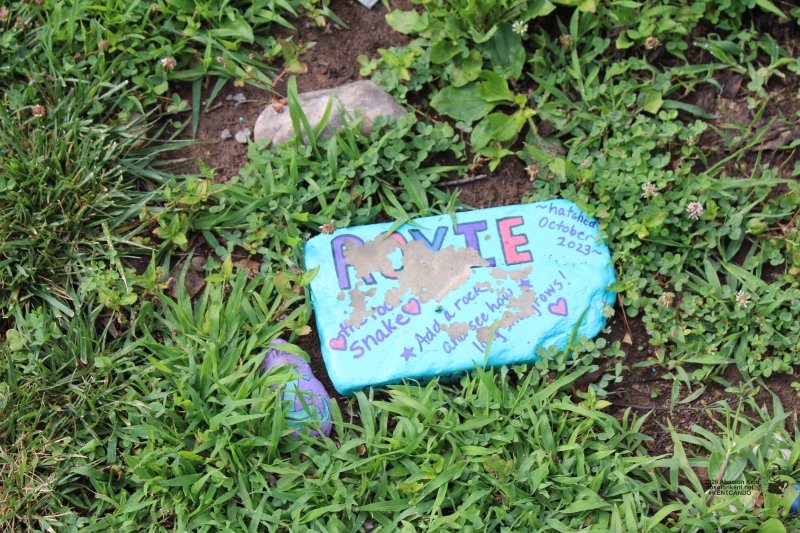
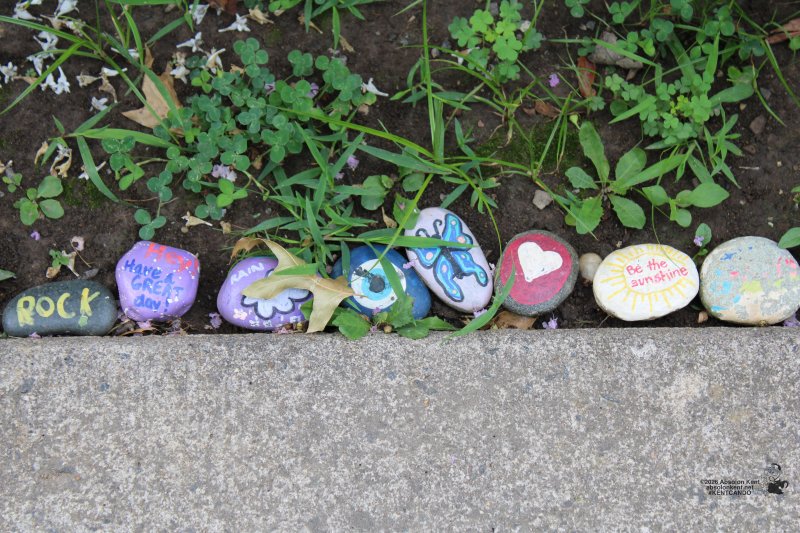
One of its most popular features is the colorful "rock snake"—a growing community art project made up of painted rocks contributed by visitors of all ages. Each rock adds a unique touch to the ever-lengthening snake, making it a fun and interactive attraction for families and park visitors.

📸: absolonkent.net/photogallery/index.php?/category/706


Old Baptismal Area Historical Marker

Old Baptismal Area Historical Marker

FAIRFAX, Va. — The Old Baptismal Area Historical Marker commemorates this 1930s baptismal site on Accotink Creek, where members of the congregation gathered in a natural setting to practice a cherished tradition rooted in African American Baptist worship. The marker honors Mount Calvary Baptist Church's enduring role in the spiritual, cultural, and community life of Black Fairfax City during the era of segregation and beyond.

📸: absolonkent.net/photogallery/index.php?/category/704


Mount Air Historic Site

Mount Air Historic Site

LORTON, Va. — The center of a major Fairfax County tobacco plantation, Mount Air was worked by several generations of enslaved families under the McCarty family and their Chichester descendants. An 1811 inventory documented 76 enslaved people spanning three generations of the same families—one of the most thoroughly documented enslaved communities in the county.

Slavery on the property appears to have ended in 1860 with the sale of the estate outside the family. Remnants of outbuildings and archaeological evidence document the property's transition from tobacco monoculture to diversified and dairy agriculture during the 19th century.

Oral histories relate the existence of a cemetery for enslaved people on the grounds, along with cabins that housed the enslaved community.

Today, Mount Air is part of the Fairfax County Park Authority's historic sites system, with ongoing efforts to recover and share the stories of the people who lived and worked there.

📸: absolonkent.net/photogallery/index.php?/category/702